Valley of Flowers Trek
A UNESCO World Heritage meadow blooming with 600+ species of wildflowers, capped by the high-altitude pilgrimage to Hemkund Sahib's glacial lake.
Overview
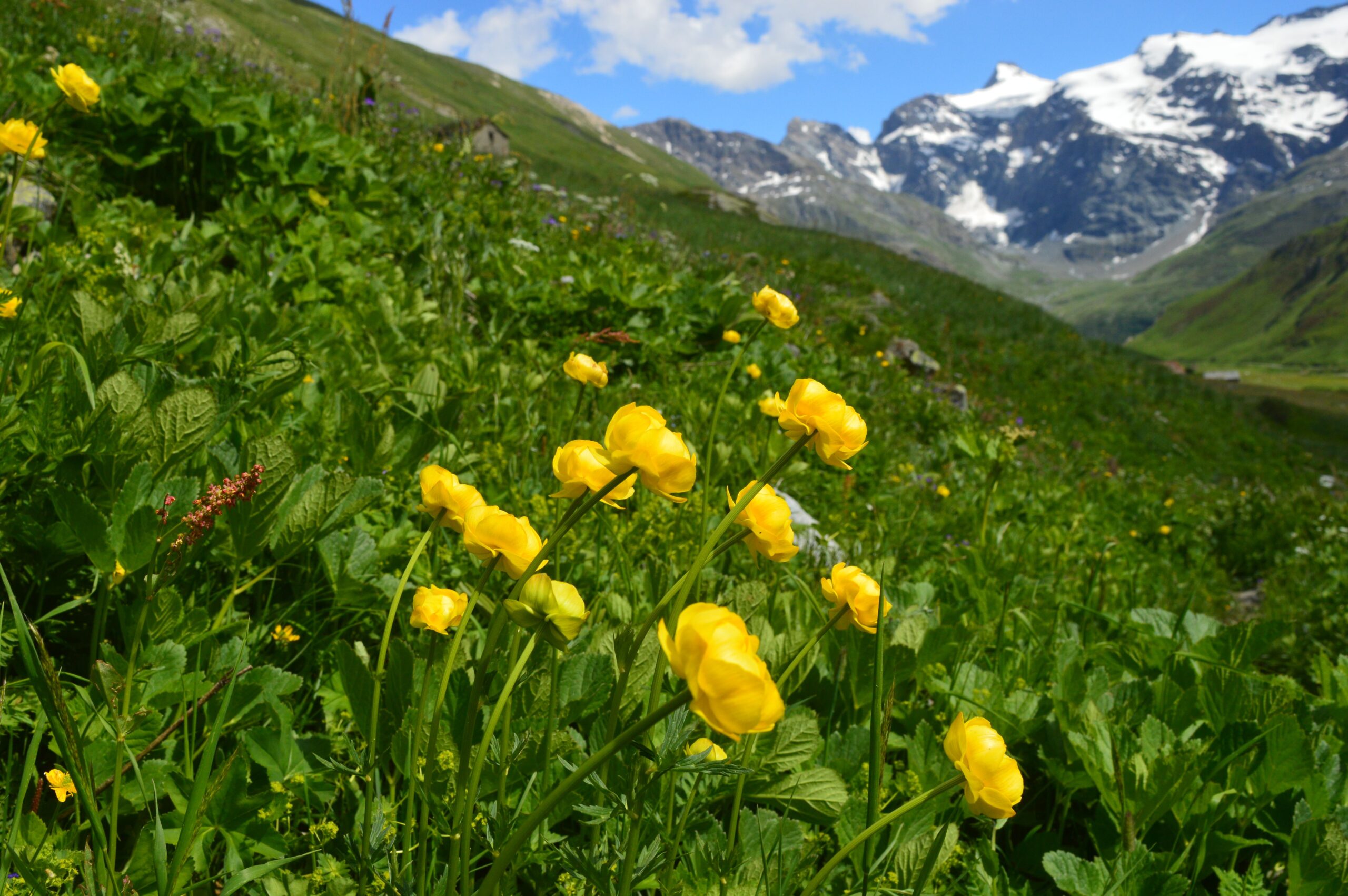
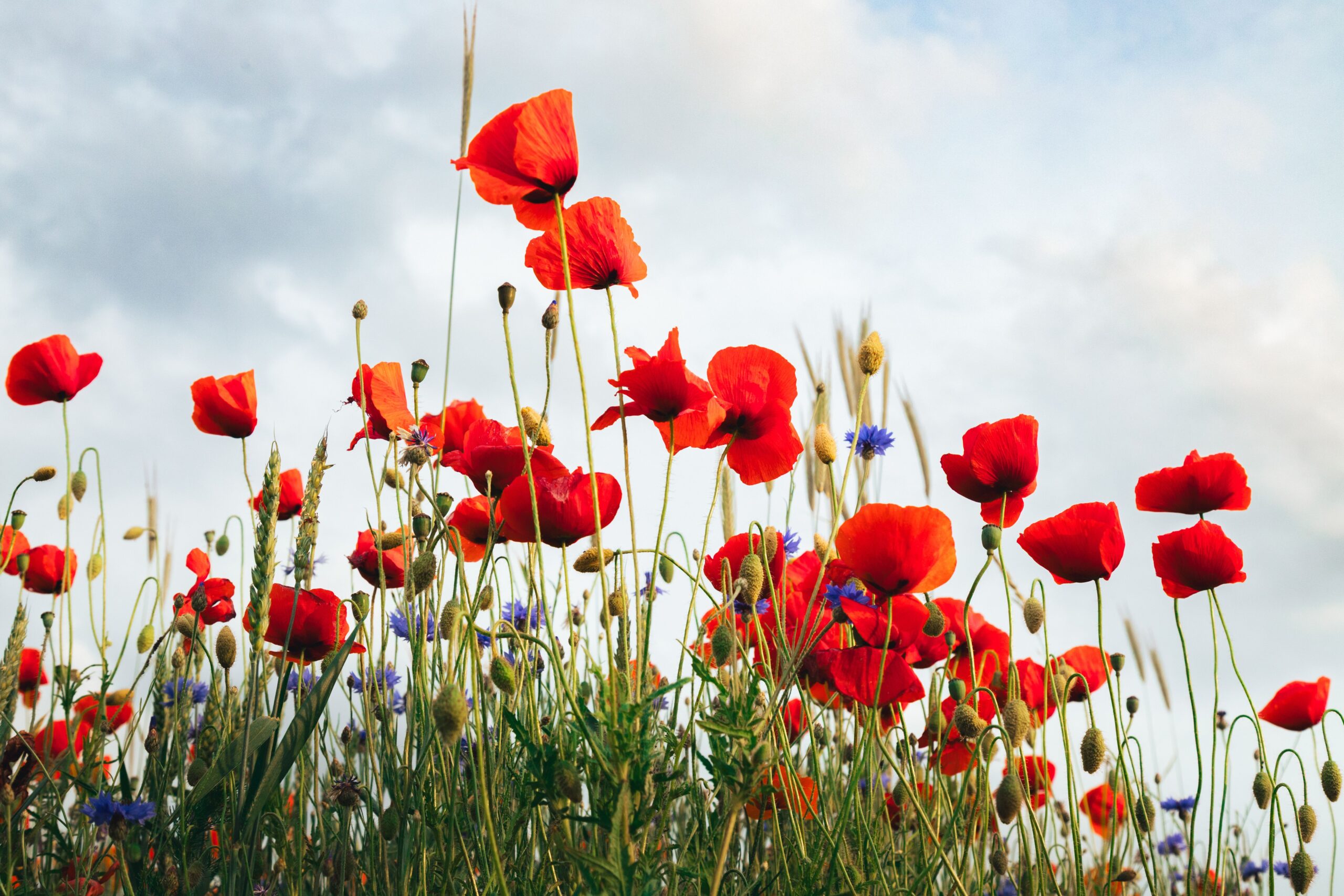
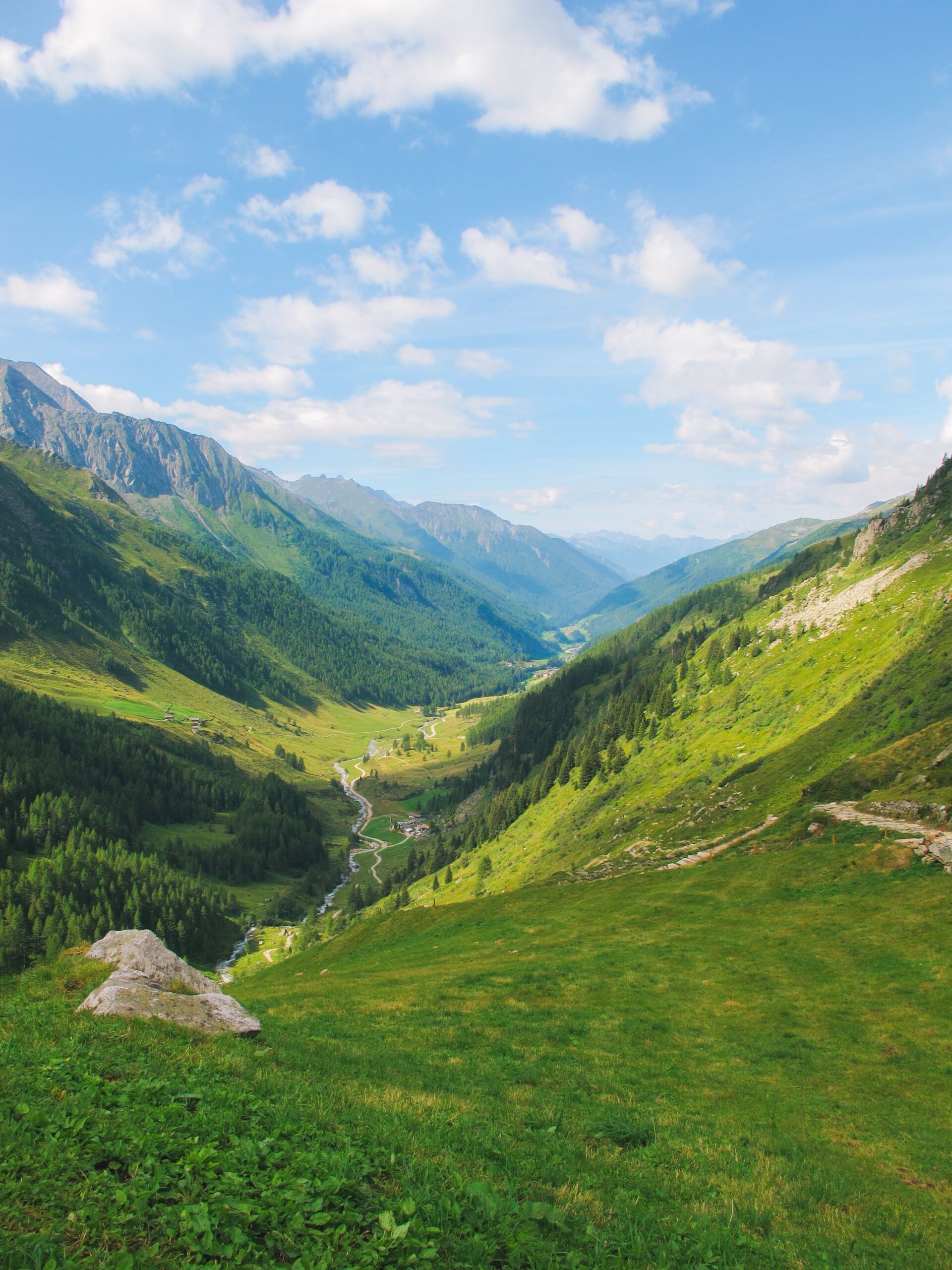
Set inside the Nanda Devi Biosphere Reserve in Chamoli district, the Valley of Flowers is a UNESCO World Heritage Site and one of the most botanically rich alpine meadows in the Himalaya — home to over 600 species of wildflowers, including the rare Himalayan blue poppy and the sacred brahma kamal. The valley opens up only for a few months each monsoon, when the entire basin turns into a shifting carpet of colour.
Most trekkers pair the valley with a climb to Hemkund Sahib, a glacial lake at 14,200ft ringed by seven snow peaks and home to a revered Sikh gurudwara — giving this trek a rare mix of natural spectacle and spiritual pilgrimage in one itinerary.
Itinerary
Things to Carry
- Trekking shoes (ankle support, broken-in)
- 4–5 layers incl. thermal + rain-proof jacket
- Waterproof gloves & woolen cap
- UV-protection sunglasses
- Headlamp/torch with spare batteries
- 1–2L water bottle + electrolytes
- Daypack (40–50L) with rain cover
- Trekking pole (recommended)
- Sunscreen & lip balm (SPF 40+)
- Personal medication + basic first aid
- Power bank
- Government-ID for permits
What's Included
Included
- All entry permits, forest fees & National Park entry
- All meals during the trek (vegetarian, hygienically prepared)
- Accommodation per itinerary (guesthouses/homestays)
- Experienced trek leader & local support staff
- First-aid & basic emergency equipment
- All applicable taxes
Not Included
- Transport to/from Rishikesh (unless specified)
- Personal trekking gear — see checklist above
- Personal expenses & tips
- Travel insurance
- Costs from itinerary changes due to weather/roadblocks
Gallery
Valley of Flowers FAQs
Yes — the walk to Ghangaria and into the valley is gentle and well-marked, making it a good beginner-friendly Himalayan trek. The Hemkund Sahib extension is steeper and more demanding, so pace yourself if it's your first high-altitude trek.
The valley opens around June 1st and closes in early October. Peak bloom is late July through mid-August, when the widest variety of flowers is out — though the meadow looks different and beautiful across the whole season.
It's not compulsory, but most trekkers combine both since they share the same base at Ghangaria. If you'd rather skip it and just focus on the valley, let us know when booking and we'll adjust the itinerary and pace accordingly.
Booking amount is non-refundable once a trek is confirmed. Cancel 30+ days before departure: 50% refund. 15–30 days before: 25% refund. Within 15 days: no refund. If Wildfern cancels a trek, you get a full refund or a free transfer to a future batch.